Schedule
HostsWays to Give
HomePlaylistSchedule
HostsEventsOn DemandOur StoryOur TeamWays to Give Become a Sponsor
How to ListenVisit Help CenterContact Us

Find Us on Social Media:

Logo image

Find Us on Social Media:

Download Our Mobile App:

google play icon

About

HomePlaylistSchedule
HostsOn DemandOur StoryOur Team

Community

EventsWays to Give Become a SponsorPressDiversity StatementCareersAnnual EEO ReportDigital Accessibility

Help

Visit Help CenterContact UsHow to Listen

©2025 Classical California

Sweepstakes RulesFCC ComplianceLocal Public FilesCPB ComplianceAnnual EEO ReportPrivacy PolicyCode of Integrity

articles / Chapman Challenge

Chapman Challenge: What Is a Chaconne?

Chapman ChallengePop CultureArts Alive BlogFundamentalsMusic Theory

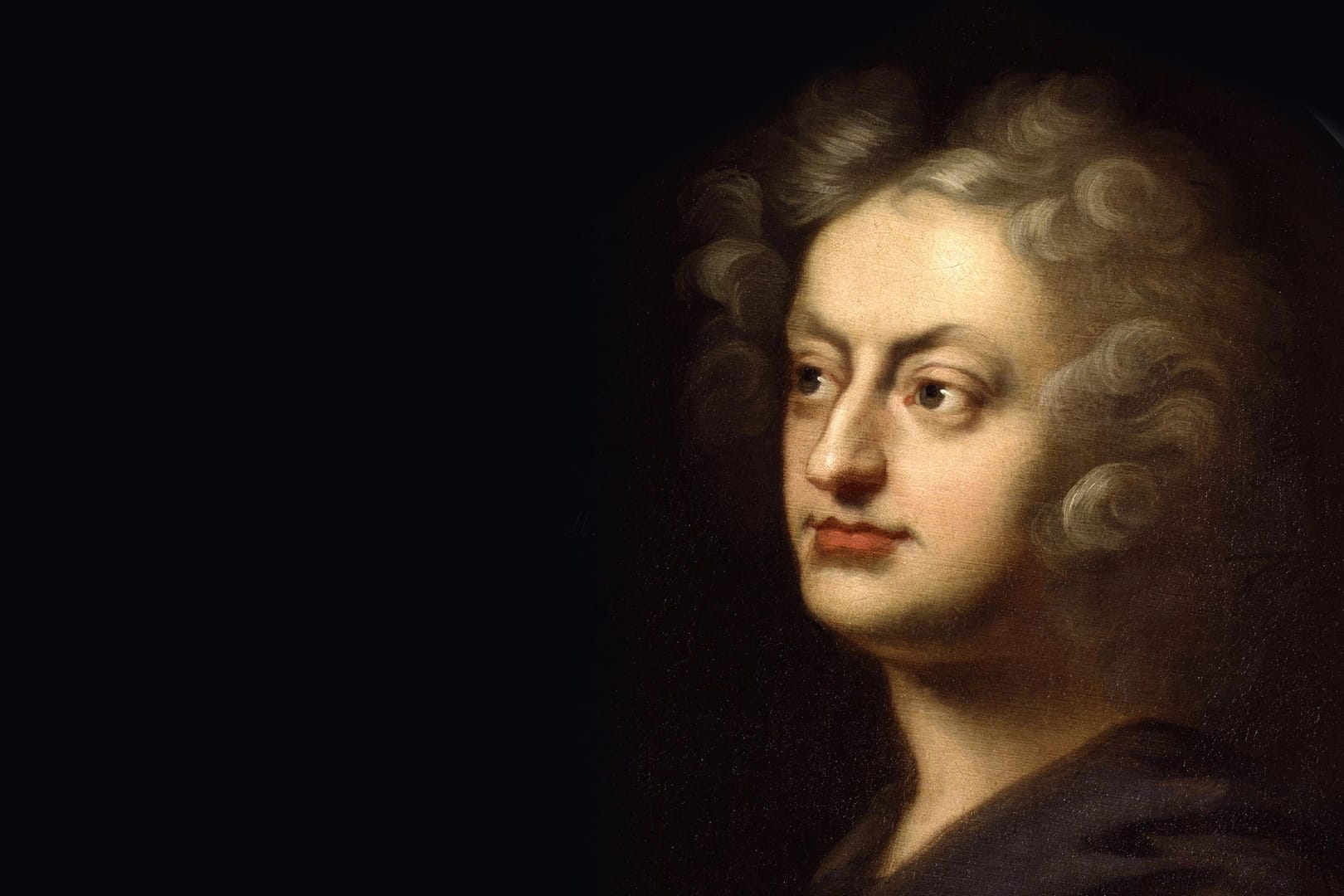
A portrait of Henry Purcell by John Closterman

KUSC’s Alan Chapman has a lot to say about music, but can he say it in 60 seconds? That’s the Chapman Challenge. We ask a question and Alan has a minute to answer it.

Today’s question is from Emily Stern in Los Angeles who says “I’ve heard you play various chaconnes. What exactly is a chaconne?”

Hit play below to listen to this week’s Chapman Challenge on Arts Alive.
 

Chapman Challenge: What Is a Chaconne?
00:00


The chaconne was a very popular musical form during the Baroque period. Simply put, the chaconne is a piece built on a repeated harmonic progression, a repeated series of chords. As listeners, we enjoy the dependability of that repeated pattern plus the appeal of the variations that unfold above it.

This is a chaconne by Henry Purcell. The first 20 seconds are the first time through the pattern. As you listen, you’ll hear some rhythmic variety, a more active bass line, etc. And so it goes, all built on that same pattern.

That’s today’s Chapman Challenge. Is there a question you’d like to have answered in 60 seconds? Send it to us at [email protected].
Chapman ChallengePop CultureArts Alive BlogFundamentalsMusic Theory
Written by:
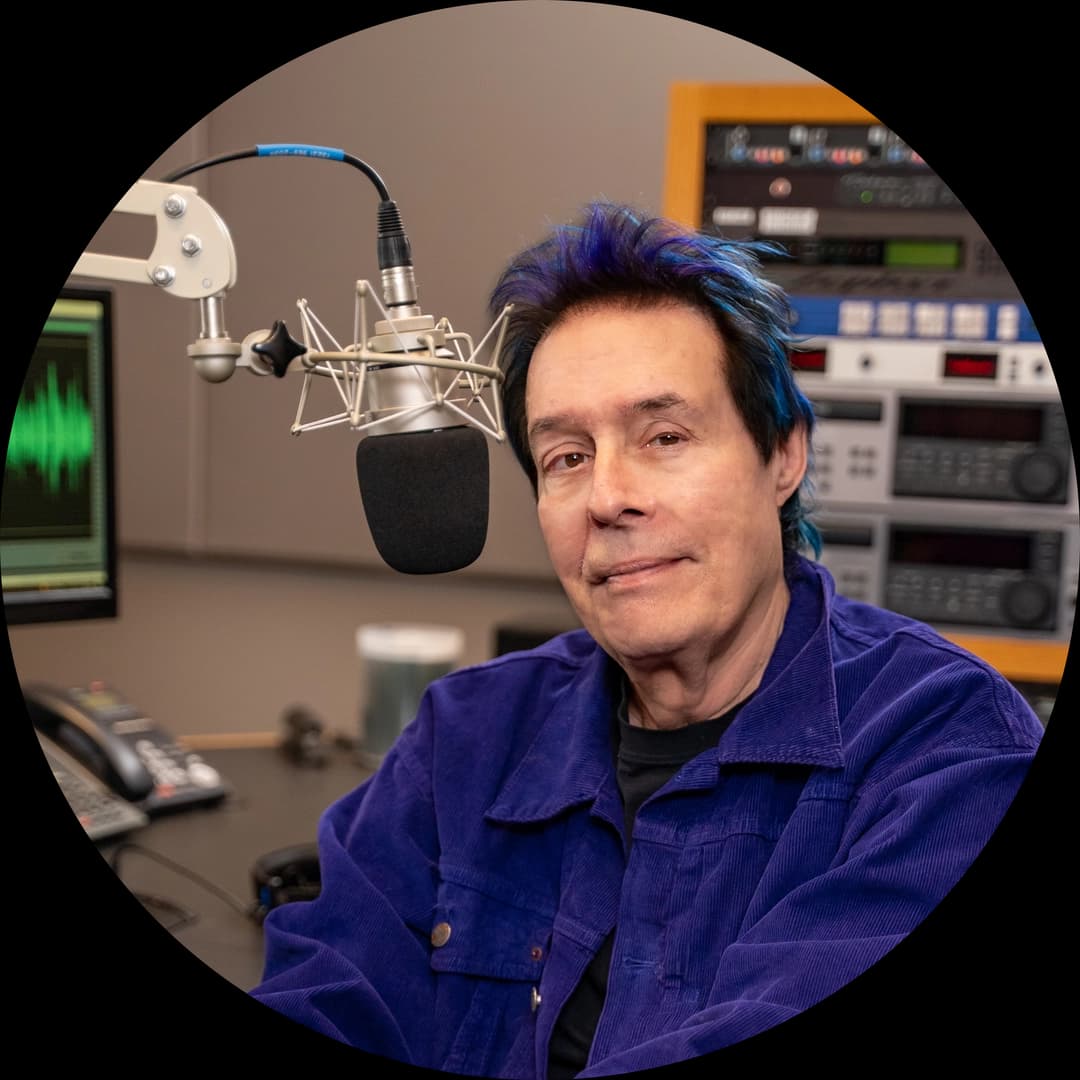
Alan Chapman
Alan Chapman
Published on 04.01.2019
Loading...

MORE LIKE THIS

What is the Most Common Key for a Symphony and Why?

What is the Most Common Key for a Symphony and Why?

In this Chapman Challenge, Alan explains why D major is the most common key for a symphony, highlighting its popularity among 18th-century composers like Haydn and Mozart.

03/01/2020
Chapman Challenge: What’s the Story Behind the Gewandhaus Orchestra?

Chapman Challenge: What’s the Story Behind the Gewandhaus Orchestra?

In this Chapman Challenge, Alan explains the origin of the Gewandhaus Orchestra's name, its connection to Leipzig's textile trade, and its evolution as a musical center since 1781.

05/24/2019
Chapman Challenge: What’s an Opus Number?

Chapman Challenge: What’s an Opus Number?

In this Chapman Challenge, Alan Chapman explains opus numbers in music, their purpose, and how they don't necessarily indicate the order of a composer's works.

04/01/2019
Chapman Challenge: What Is a Rondo?

Chapman Challenge: What Is a Rondo?

Explore the rondo, a popular musical form often used in concertos and symphonies, known for its recurring refrain and contrasting sections. Learn how composers play with its structure for listener enjoyment.

04/01/2019
Chapman Challenge: What is a Sonata?

Chapman Challenge: What is a Sonata?

In this Chapman Challenge, Alan Chapman explains the origin and evolution of the term 'sonata' in music, from its Italian roots to its use in the Classical and Baroque periods.

04/01/2019
Chapman Challenge: What Exactly is an Adagio?

Chapman Challenge: What Exactly is an Adagio?

In this Chapman Challenge, Alan Chapman explains the term "adagio" as a tempo indication in music, along with other tempo terms, and gives examples of famous adagio pieces.

04/01/2019