Schedule
HostsWays to Give
HomePlaylistSchedule
HostsEventsOn DemandOur StoryOur TeamWays to Give Become a Sponsor
How to ListenVisit Help CenterContact Us

Find Us on Social Media:

Logo image

Find Us on Social Media:

Download Our Mobile App:

google play icon

About

HomePlaylistSchedule
HostsOn DemandOur StoryOur Team

Community

EventsWays to Give Become a SponsorPressDiversity StatementCareersAnnual EEO ReportDigital Accessibility

Help

Visit Help CenterContact UsHow to Listen

©2025 Classical California

Sweepstakes RulesFCC ComplianceLocal Public FilesCPB ComplianceAnnual EEO ReportPrivacy PolicyCode of Integrity

articles / Birds

Finding Inspiration in Birds: Sibelius’s Fifth Symphony
BirdsNatureScandinavian MusicSibeliusThe Ultimate 101


We’re celebrating the Classical California Ultimate Playlist with a series of fun and informative blogs about the music you love.

Composers have been featuring birds in their works for centuries, usually by imitating their calls. Vivaldi was a champion in this regard. Among the species in The Four Seasons are the goldfinch, the turtle dove, and the ever-popular cuckoo. In the twentieth century Olivier Messiaen transcribed countless examples of birdsong and reproduced them in his music.

But two Finnish composers connected to the world of birds in different ways.


Jean Sibelius

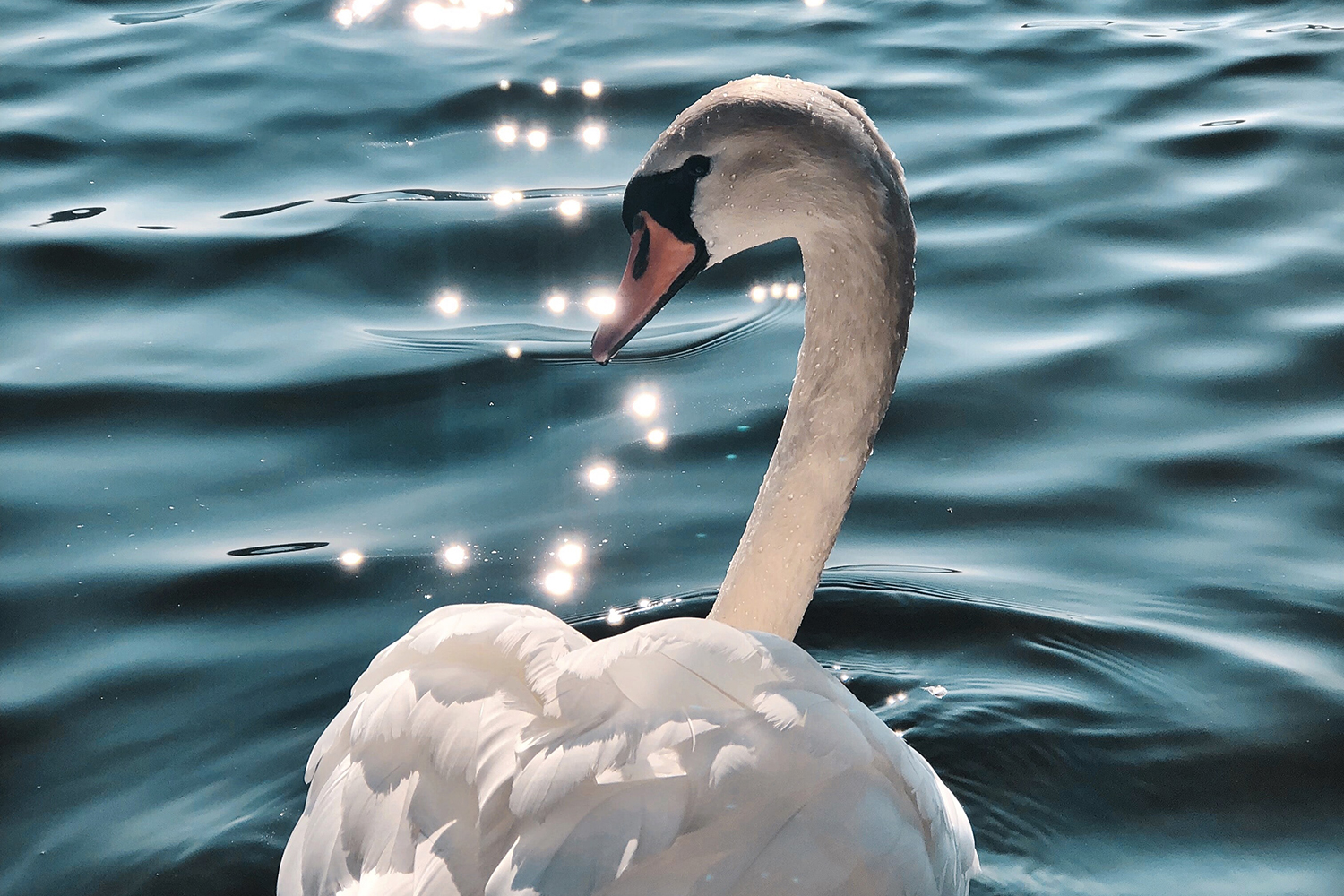
In the finale of Sibelius’s Fifth Symphony (1919) there’s a magnificent melody the composer called his “swan hymn.” In his diary, he identified his inspiration for the theme, the sight of sixteen swans flying in formation overhead: “One of my greatest experiences! Lord God, that beauty! They circled over me for a long time. Disappeared into the solar haze like a gleaming, silver ribbon…”

Einojuhani Rautavaara was Sibelius’s successor as foremost Finnish composer. His best-known work, Cantus Arcticus (1972), is subtitled Concerto for Birds and Orchestra. Rautavaara took tape recordings of birdsong recorded near the Arctic Circle and on the bogs of northern Finland and created an orchestral accompaniment.


Einojuhani Rautavaara

The work opens with a movement titled “The Bog.” The second movement features a slowed-down recording of the song of the shore lark. And the final movement, “Swans Migrating,” brings us the sounds of whooper swans.

BirdsNatureScandinavian MusicSibeliusThe Ultimate 101
Written by:
Alan Chapman
Alan Chapman
Published on 09.13.2021
Loading...

MORE LIKE THIS

Finding Beauty in Historical Ruins

Finding Beauty in Historical Ruins

Explore how ancient ruins inspire classical music, from Felix's Scottish Symphony inspired by Holyrood Palace to Zipoli's works found in decaying South American churches.

09/27/2025
A Sampling of Birdcalls in the Concert Hall

A Sampling of Birdcalls in the Concert Hall

This article explores how composers like Beethoven, Handel, and Messaien have imitated bird songs in their works, using instruments or actual bird recordings to enhance their compositions.

06/01/2020
Two Finns and Some Birds

Two Finns and Some Birds

Explore how composers like Vivaldi, Sibelius, and Rautavaara drew inspiration from birds and nature for their music in KUSC Great Outdoors Week series.

04/24/2020
Sibelius’s Sixteen Swans

Sibelius’s Sixteen Swans

Explore the story behind Jean Sibelius' Symphony of Swans and Silence, inspired by a memorable encounter with 16 swans on his 50th birthday.

03/27/2019
Inspiration In Railroad Conversations

Inspiration In Railroad Conversations

Composer Gabriel Kahane traveled 9000 miles by train post-2016 election, conversing with strangers to understand America's thoughts. His experiences inspired songs for the 'Vox Populi' PIVOT series.

03/27/2019
Finding the Freshness in the Four Seasons

Finding the Freshness in the Four Seasons

Scottish violinist Nicola Benedetti will perform Vivaldi's Four Seasons with the Venice Baroque Orchestra at Cal Performances and Mondavi Center next weekend.

09/19/2017