articles / Saturday Morning Car Tunes
Saturday Morning Car Tunes: Franz Liszt
Three Lions/Getty Images
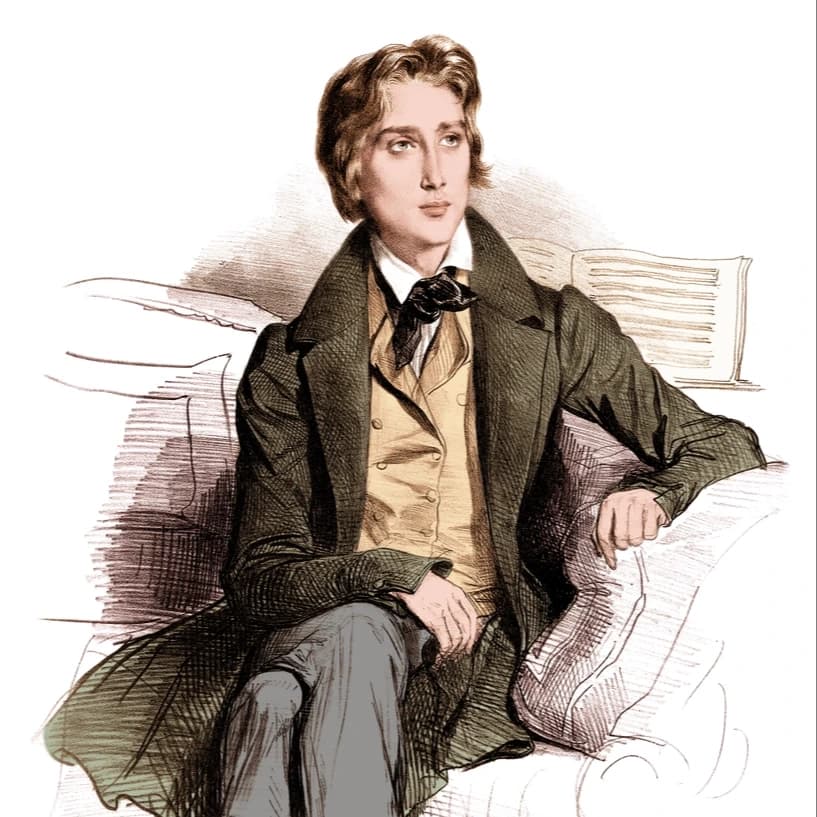
Photo Researchers/Getty Images
Listen to the episode!
Make a list and check it twice... Lisztomania hits on a Saturday morning! Tune in this week to learn more about one of the greatest composer-pianists of the 19th century.
Howdy, howdy, howdy! I’m Solomon Reynolds, and this is: Saturday Morning Car Tunes! This morning …
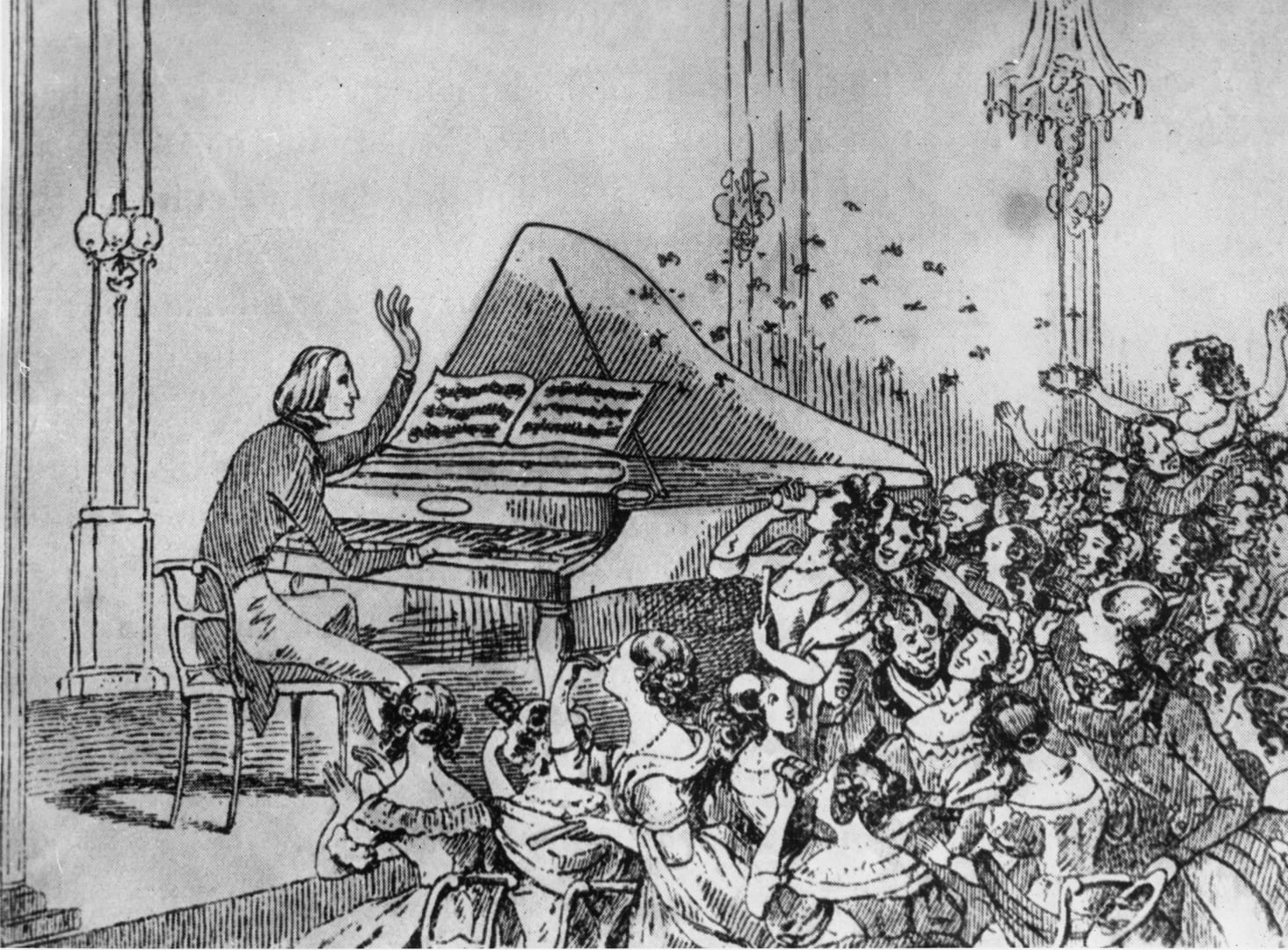
Have you heard of Franz Liszt before? He’s one of the most dazzling pianists who ever lived. He was such a dramatic performer that he caused what one writer called “Lisztomania.” (Kinda like how people act at rock concerts today.)
Born in 1811, Liszt was very proud of his Hungarian heritage. He got a lot of inspiration from Hungary’s traditional music, especially the Romani people. He called his cycle of Hungarian Rhapsodies a national epic and called himself a “rhapsode,” or poet. Cartoons love his Hungarian Rhapsody No. 2, like Bugs Bunny, Tom & Jerry, Woody Woodpecker, and Mickey Mouse.
When a twenty-year-old Liszt heard the legendary violinist Paganini perform, it changed his life. His new goal was to become the Paganini of the piano, practicing up to fourteen hours a day. This is his virtuosic piano translation of Paganini’s violin music: “The Bell.” Can you hear the ding?
Liszt invented the solo recital, where just one person performs for the public. He often ended his concerts with this piece, his Grand Chromatic Gallop. Does it sound like he has horses for hands?
Both Frédéric Chopin and Franz Liszt stretched what the piano could do. Liszt modeled his Brilliant Mazurka after Chopin.
Liszt was a musical pioneer, always exploring and creating. His Fountains of the Villa d’Este is the earliest example of piano music that sounds like water.
Much of Liszt’s music is made up of transcriptions, taking works from other composers and genres and translating them for the piano. He even transcribed his own music. His Love Dream No. 3 was first a song.
Liszt was a big proponent of Wagner. They pushed the limits of what classical music could do and sound like. Together with Berlioz, they were known as the New German School, looking toward the music of the future. Liszt respected Wagner’s music so much that he transcribed this march from Wagner’s opera Parsifal.
Liszt! It’s all in the wrist.
I’m Solomon Reynolds. I write and produce Saturday Morning Car Tunes with research assistant Carolina Correa and audio engineer Stephen Page, only on Classical California. Tune in—or out of your car—next Saturday morning!